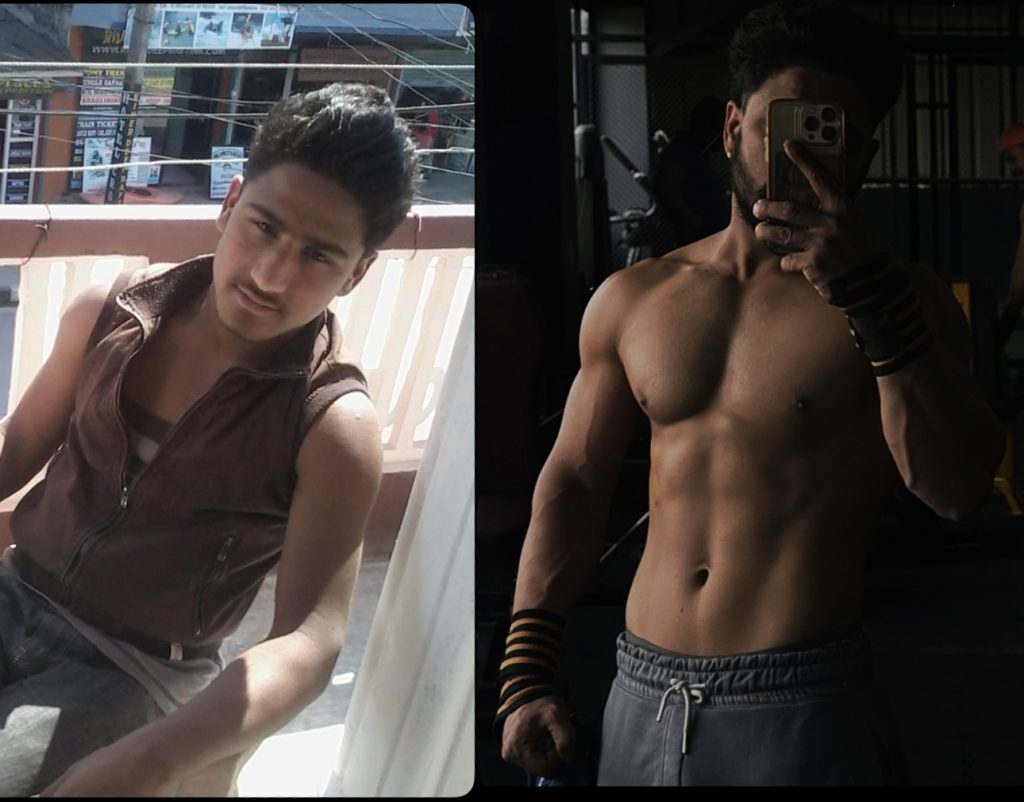
By Suman Regmi, CFEC | Fit World Lifestyle
This is the most personal blog I’ve ever written. But I’m sharing it because someone out there needs to hear it.
The Discovery: When Your Body Whispers But You Don’t Listen
January 16, 2026 (Friday)
I felt something strange. A dull unease in my groin area. Nothing painful, just… different.
But I’m a gym guy. A coach. A store owner who works 16-hour days. We don’t stop for “different.” So I didn’t.
I trained that Friday. I trained Saturday. I trained Sunday. Squats. Deadlifts. Everything.
January 19, 2026 (Monday)
The unease became obvious. I finally Googled my symptoms.
Inguinal hernia.
My heart sank.
What Exactly is a Hernia? (Let’s Understand It Simply)
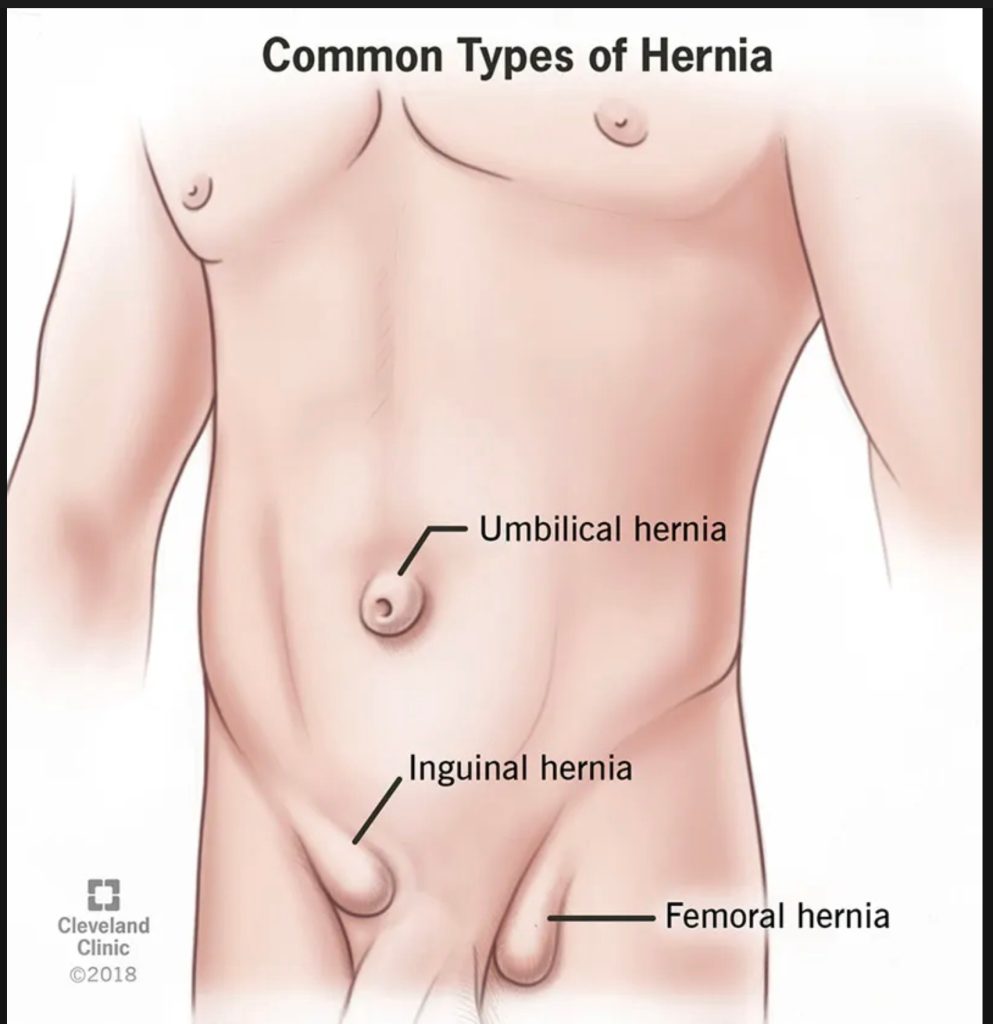
Before I share my story, let me explain what a hernia actually is—because I had no idea until January 19th.
In Simple Words:
A hernia happens when an organ or fatty tissue squeezes through a weak spot in your surrounding muscle or connective tissue (fascia). Think of it like a tire’s inner tube pushing through a weak spot in the tire.
In My Case (Inguinal Hernia):
· Location: Lower abdomen, near the groin
· What happened: Part of my intestine pushed through a weak spot in my lower abdominal wall
· Why it matters: It doesn’t heal on its own and can become dangerous if strangulated (blood supply cut off)
Common Causes:
· Heavy lifting (guilty 🙋)
· Chronic coughing
· Straining during workouts
· Weak muscles from aging or genetics
· Sudden twists or injuries
Warning Signs I Ignored:
· Dull ache in groin
· Feeling of heaviness
· Visible bulge (especially when standing or straining)
· Burning sensation at the bulge site
The Scary Part: I trained for 3 days after feeling something was wrong. If the hernia had strangulated during a heavy lift, I’d be looking at emergency surgery and serious complications.
Coach’s Note: Your fascia (connective tissue) plays a huge role here. Weak fascia = higher hernia risk. That’s why my fascia certification hit different after this experience.
Types of Hernias (Quick Overview):
| Type | Location | Common In |
| Inguinal (Mine) | Inner groin | Men (25% lifetime risk) |
| Femoral | Upper thigh women | pregnant women |
| Umbilical | Belly button | New moms, obese individuals |
| Incisions | Surgical scars | Post-surgery patients |
| Hiatal | Upper stomach | Acid reflux sufferers |
Can You Train With a Hernia?
Short answer: No. Not safely.
Long answer: Once you have a hernia, it won’t disappear with rest or exercise. Only surgery fixes it. Training with one risks:
· Making the bulge bigger
· Severe pain
· Strangulation (medical emergency)
· Emergency surgery with longer recovery
I learned this the hard way. Don’t be me.
The Diagnosis: 72 Hours That Changed Everything
Tuesday: Found a doctor. Booked appointment.
Wednesday: Check-up and tests.
Thursday: Reports confirmed. Surgery scheduled.
Friday, January 23rd – 1:30 PM: OT team took me in.
That’s how fast life changes. Four days from Google search to surgery table.
Under Anesthesia: The Void
The Mesh: What They Put Inside Me
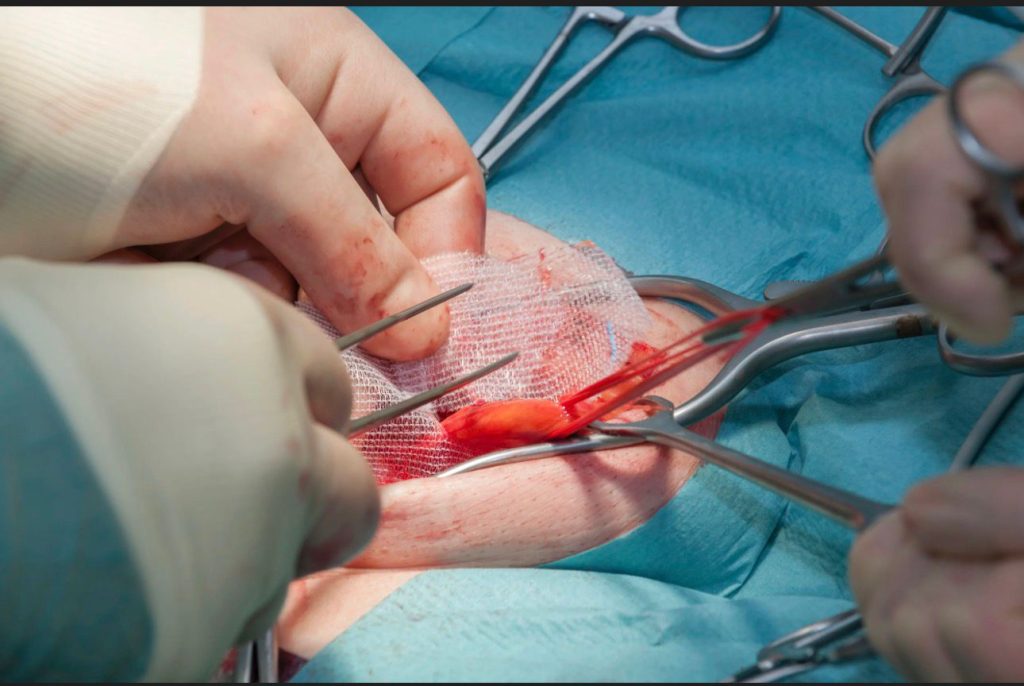
During my open inguinal hernia repair, the surgeon used mesh – a medical screen that reinforces my weak abdominal wall.
Why mesh?
· Without mesh: 15-20% chance of hernia returning
· With mesh: Less than 5% recurrence rate
What my surgeon told me: “After healing, you’ll be stronger in that area than before – because the mesh reinforces what was weak.”
For lifters: The mesh integrates with your tissue over 6-12 months. That’s why rushing heavy lifting is dangerous. Your future PRs depend on today’s patience.
Right now (Day 14), my mesh is held by sutures only. I’m letting my body do its work.
You know that feeling? One moment you’re counting backwards… the next, it’s 4:00 PM and you’re in post-op. Hours vanished. Surgery done.
I was awake. I was alive. And the pain was just beginning.
The First Night: Learning to Move Again
Waking up after hernia surgery humbles you fast.
You can’t:
· Sit up normally
· Laugh without holding your stomach
· Cough without regret
· Roll over in bed
Every small movement becomes a strategy. You learn to pivot, to brace, to breathe through it.
January 24th, 1:00 PM – Moved to my cabin
6:00 PM – Discharged with medicine and a discharge summary
I went home, took my meds, and slept.
Day 1: The First Small Steps
Woke up around 8 AM. Ate food. Looked at my bed like it was a mountain I had to climb again.
Then I did something that felt massive:
I walked. Slowly. Tiny steps. To my store.
I own a store. I couldn’t just abandon it. So I sat there, rested, and observed. Didn’t lift a thing. Didn’t try to be a hero.
My brother showed up. He lifted the shutter. He moved the dummies. He handled what I couldn’t.
I never told my parents before surgery. I knew they’d stress. They’d worry. They’d lose sleep. So I carried this alone until I was on the other side.
Even my clients? Only the ones I had to reschedule knew. Everyone else just heard I needed two weeks off.
Sometimes strength is knowing when to carry your burden silently until you’re ready to share it.
Week 1: The Waiting Game
Pain went down day by day. Movement got easier hour by hour.
Tuesday – Visited my surgeon for dressing. Clean. Healing. Good.
Sunday – Stitches removal day.
That Sunday, something shifted. With the stitches gone, my body felt… freer. Like it could finally start trusting itself again.
Week 2: Testing the Waters
I started moving alone. Cooking my meals. Walking to my store. Taking client calls online. Doing sales from a chair.
I knew what it felt like to be a passive observer while my active dreamer heart screamed to move.
Day 11 – I walked 10,000 steps.
Felt proud. Felt human again.
That night? Sore groin area. Not sharp pain. Just a reminder: You’re still healing.
Next morning? Recovered. My body said “okay, maybe a little less tomorrow.”
The Seroma Scare
Some days I moved more than I should. Felt a fluid collection under my incision line.
Seroma.
First time? Scary. Second time? Annoying. But I knew what to do:
· Rest
· Ice
· Eat protein and nutrients
· Sleep
· Repeat
Your body talks. You just have to listen instead of arguing.
What Got Me Through
· My brother – For lifting what I couldn’t
· My clients – For understanding
· My body – For healing even when I pushed too hard
· Ice packs – MVP of recovery
· Protein – Lots of it
· My family – I’m sorry I didn’t tell you before. But I explained everything after I was okay. I hope you understand.
What I Learned
As a corrective exercise coach, here’s what the first 14 days taught me:
| What NOT to DO | What to DO |
| Lift anything heavier than a plate | Walk slowly, often |
| Ignore pain | Ice when something feels off |
| Try to prove you’re fine | Rest like healing is your job |
| Hide everything from everyone | Share when you’re ready |
Mobility & Recovery Notes (For My Fellow Gym People)
· Week 1: Only walking. No stretching. No bending. No twisting.
· Week 2: Gentle ankle pumps. Very light walking. Still no core engagement.
· Rule: If it pulls the groin, don’t do it.
· Mindset: You’re not recovering in a week. You’re building a foundation for the next decade.
Part 1 Closing: The First 14 Days
Today marks two weeks since surgery.
I’m not healed. But I’m healing.
I’m not lifting. But I’m moving.
I’m not 100%. But I’m closer than Day 1.
This is Part 1 of my hernia recovery journey. There will be more chapters:
· Returning to mobility work
· First time back in the gym
· Building strength again
· What fascia work taught me about scar tissue
To Anyone Reading This Who Just Got Diagnosed
I see you. I know the fear. The Google searches at 2 AM. The “what ifs.”
Here’s my truth:
It sucks. Then it gets better. Then it becomes part of your story.
If you’re facing surgery soon:
· Trust your surgeon
· Tell someone (even if you wait like I did)
· Stock up on protein
· Prepare to be bored
· Know that two weeks feels long but passes fast
📢 What’s Next?
In Part 2, I’ll share:
· When I started gentle mobility
· How fascia work helped my scar tissue
· The first exercises I did post-surgery
· Mistakes I almost made (and you shouldn’t)
Drop a comment or DM me if you’re going through something similar. You’re not alone.
💬 Need Help? Tag @work_with_suman_out in your recovery journey – I’d love to support you.